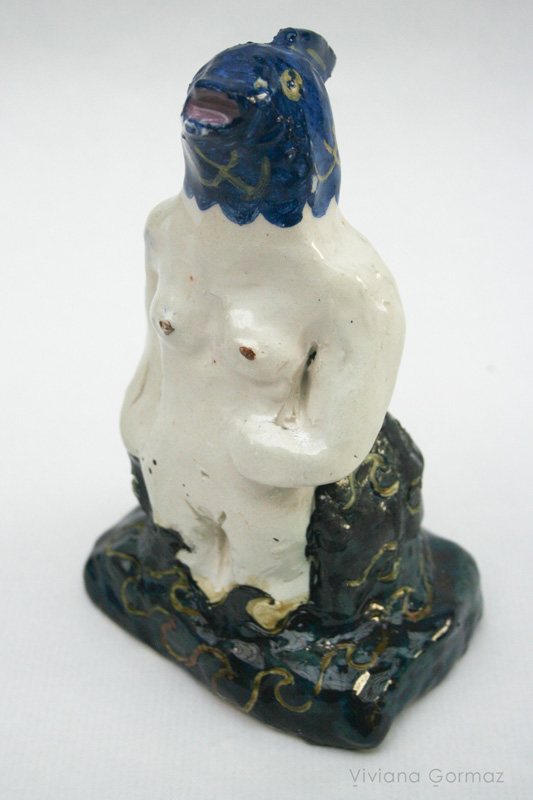
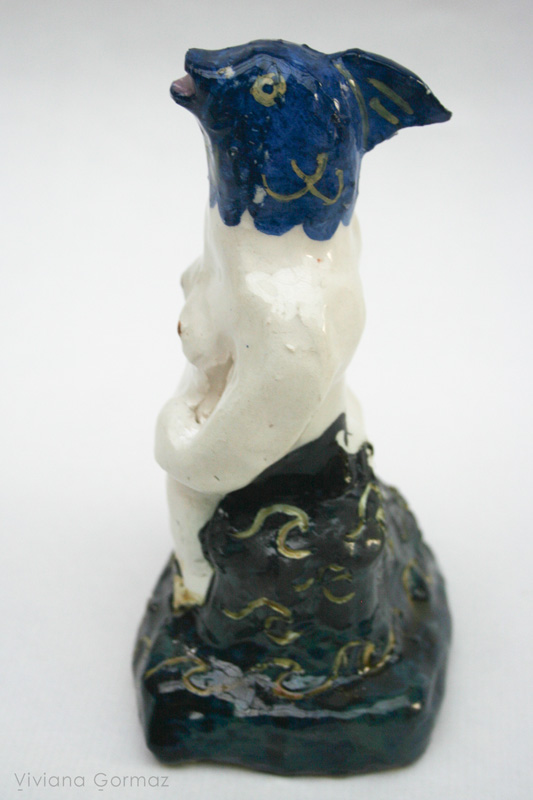
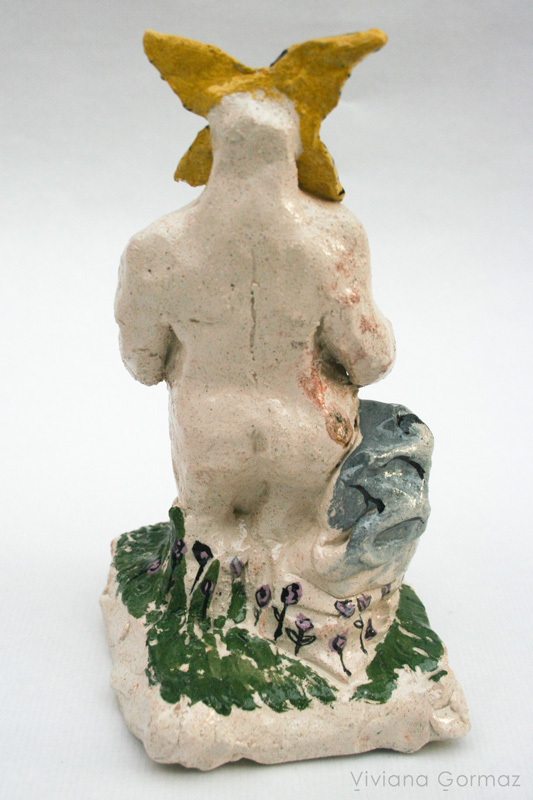
He aquí una selección de las exposiciones que han resultado especialmente importantes para mi. Si estás viendo en tu teléfono móvil esto, te recomiendo verlo en el ordenador  cuando puedas, ya que funciona mejor la diagramación. Muchas gracias!

This exhibition is made possible within the framework of an Erasmus grant awarded by the Francisco Alcántara School of Ceramic Art, Madrid, and carried out at the Centre for the study of Modern Ceramics, Athens.

I want to thank the museum and Nicholas, Thalasinni and Marilou, as well as Manuella and Pedro. Thanks to the support and guidance of the museum staff, i was able to complete the project. I also thank all the students at the center, whose work and passion for ceramics have inspired me.

This exhibition was created over the last three months (February-May)and this work represents my vision of a part of Greek culture, and i fell hopeful and proud of it. 

If you are reading this, i ask you to take the time to read the texts, as this will help you better understand the multifaceted nature of the project.

So, this proyect is about women, this proyect es about greek women

this proyect is about the history of ancient Greece,

this proyect is about the modern history of Greece,

this proyect is About Greece itself,

And it’s from me to the Greek people.

Σας ευχαριστώ όλους
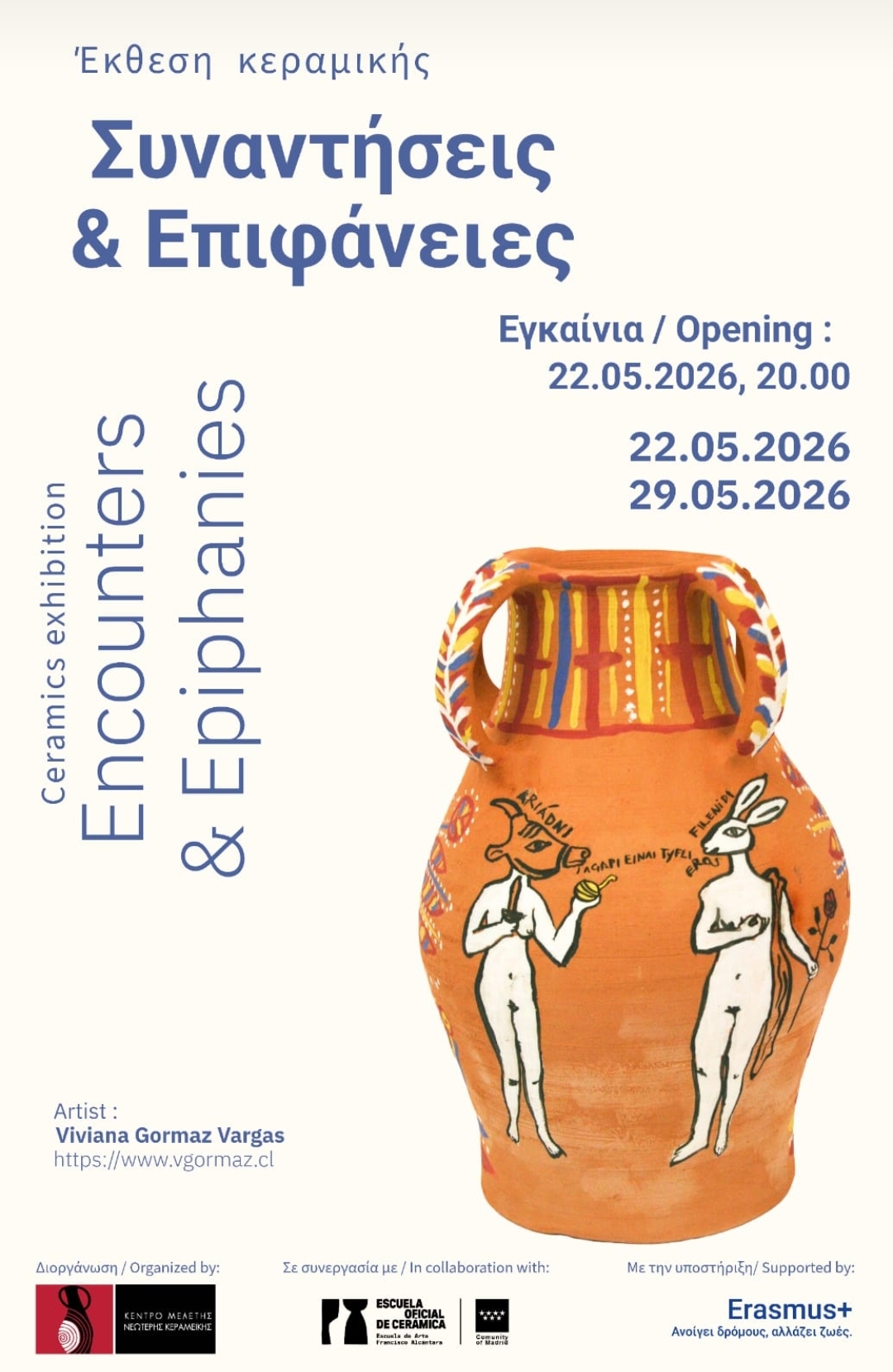


Συναντήσεις και Επιφάνειες

Αυτή η έκθεση παρουσιάζει τη μορφή της ζωόμορφης
γυναίκας ως μια αναπαράσταση της θηλυκότητας, η
οποία ιστορικά κατασκευάστηκε ως τερατώδης και
κοινωνικά στιγματισμένη.

Μέσα από μια σειρά
φανταστικών αφηγήσεων, ηρωίδες της ελληνικής
μυθολογίας και γυναίκες της ελληνικής ιστορίας
συναντιούνται και μοιράζονται συζητήσεις, που τους
επιτρέπουν να επανεξετάσουν διάφορα θέματα μέσα
από νέες προοπτικές. Δεν πρόκειται για μακροσκελείς
συνομιλίες, αλλά είναι βαθιές και ειλικρινείς, και αυτό
ακριβώς είναι που τις καθιστά τόσο ισχυρές.

Σε αυτόν τον ονειρικό κόσμο, οι ζωόμορφες γυναίκες
λειτουργούν ως μεταφορές για τα γυναικεία σώματα,
που υπερβαίνουν τους επιβεβλημένους κανόνες,
αμφισβητώντας τις κυρίαρχες ιστορικές αφηγήσεις
και διεκδικώντας ξανά τη γυναικεία παρουσία.

Αυτή η προσέγγιση συμπληρώνεται επίσης με την
άντληση έμπνευσης από παραδοσιακά αντικείμενα της
συλλογής του Κέντρου Μελέτης Νεώτερης
Κεραμεικής, τα οποία χρονολογούνται από τον 19ο και
20ό αιώνα, δημιουργώντας έτσι έναν διάλογο ανάμεσα
στον πολιτισμό και τη μυθοπλασία. Σε αυτή την
πρόταση, τα στοιχεία αυτά δεν εξετάζονται μόνο για
την αισθητική τους, αλλά και ως φορείς μνήμης και
ταυτότητας.

Τα κεφάλια των γυναικείων μορφών είναι
κατασκευασμένα από εικονογραφικά στοιχεία
εμπνευσμένα από αντικείμενα της αρχαιότητας,
εγκαθιστώντας μια άμεση σύνδεση με το εικαστικό
φαντασιακό του παρελθόντος. Ταυτόχρονα, αυτές οι
εικονογραφικές φόρμες αποκτούν ένα συγκεκριμένο
συμβολικό βάρος σε κάθε περίπτωση, συνδεόμενες με
την ιστορία, τον χαρακτήρα ή το πεπρωμένο των
μορφών που απεικονίζονται.

Οι «Συναντήσεις και Επιφάνειες» είναι μια σειρά
φανταστικών γυναικείων αφηγήσεων που γεννούν
προσωπικές αποκαλύψεις, διεκδικώντας ξανά την
εγγενή αξία των πρωταγωνιστριών τους. Σε αυτόν τον
ονειρικό κόσμο, η θηλυκότητα παρουσιάζεται ως ένας
ενεργός χώρος νοήματος και αντίστασης.

Encounters an Ephipanies

This exhibition presents the figure of the zoomorphic
woman as a representation of a femininity historically
constructed as monstrous and socially stigmatized.

Through a series of imagined narratives, heroines of
Greek mythology and women from Greek history meet
and share conversations that allow them to reconsider
various themes from new perspectives. These are not
long conversations, but they are profound and honest,
and that is precisely what makes them so powerful.
In this dreamlike world, the zoomorphic women function
as metaphors for female bodies that transcend imposed
norms, challenging dominant historical narratives and
reclaiming the female presence.

This approach is also complemented by drawing
inspiration from traditional objects in the collection of
the Centre for the Studies of Modern Ceramics, dating
from the 19th and 20th centuries, thereby creating a
dialogue between culture and fiction. In this proposal,
these elements are considered not only for their
aesthetics but also as carriers of memory and identity.

The heads of the female figures are constructed from
graphic elements inspired by antique pieces,
establishing a direct connection with the visual
imagination of the past. At the same time, these graphic
forms acquire a specific symbolic weight in each case,
linking to the history, character, or destiny of the figures
depicted.

«Encounters and Epiphanies» is a series of imagined
female narratives that give rise to personal revelations,
reclaiming the intrinsic value of their protagonists. In
this dreamlike world, femininity is presented as an active
space of meaning and resistance.

Viviana Gormaz Vargas


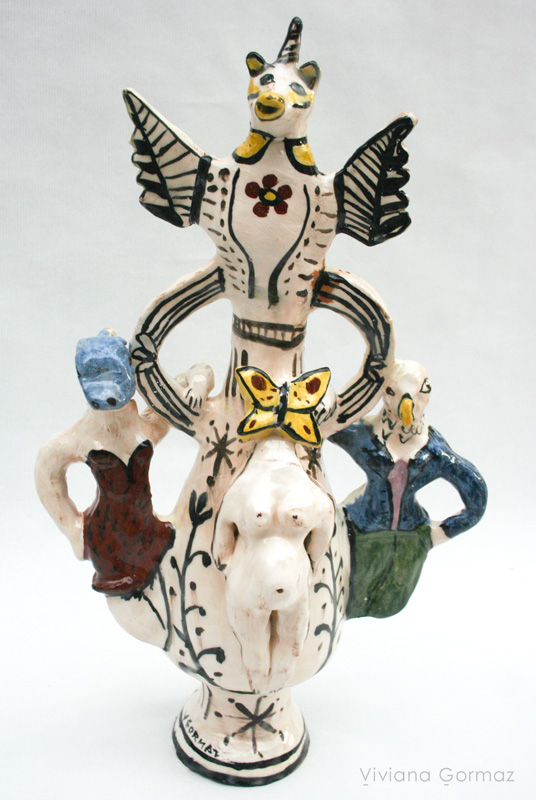
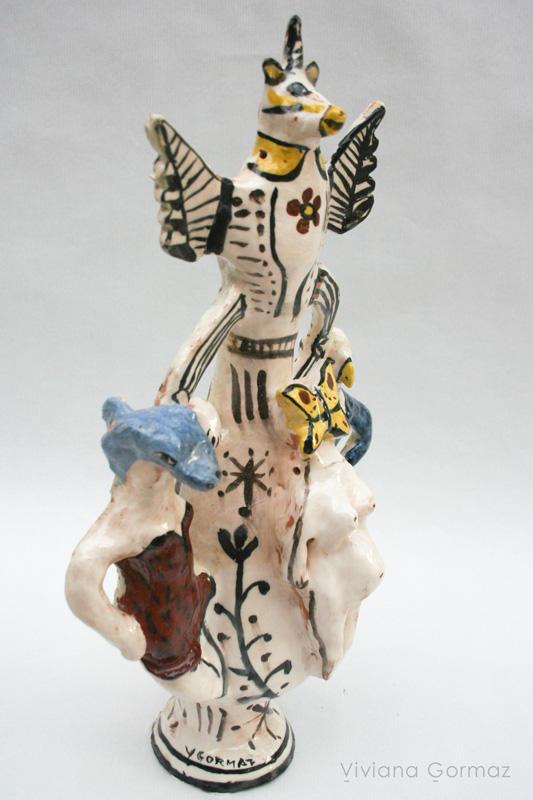
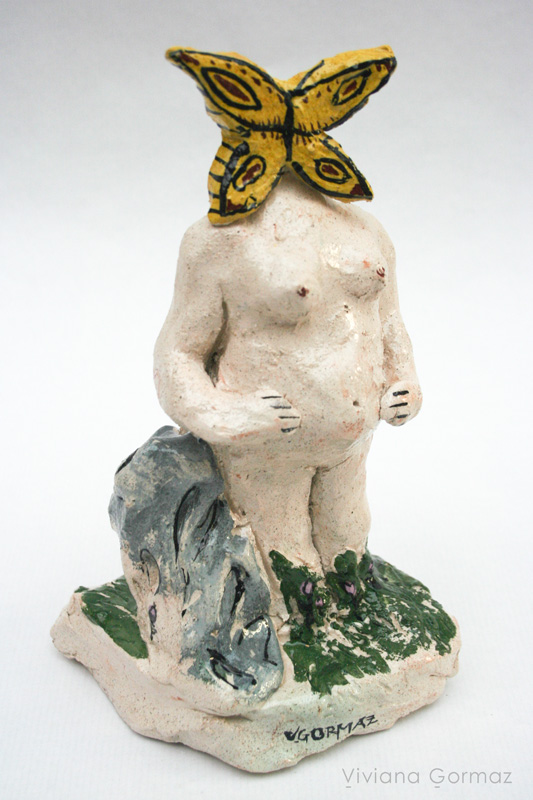
1. Ψυχή, Ειρήνη και Μελίνα 

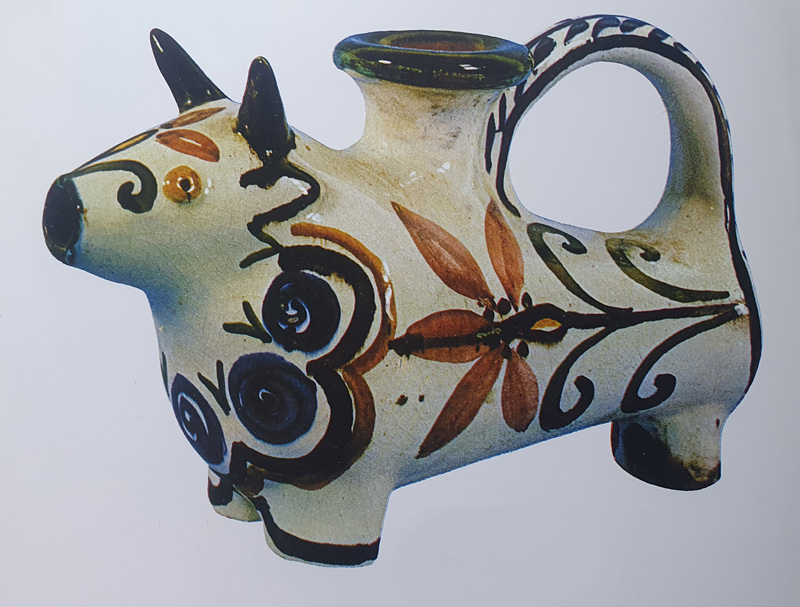
Αυτό το έργο είναι εμπνευσμένο από ένα αλογοκανατάκι. Η Ψυχή, η
προσωποποίηση της ανθρώπινης ψυχής, κατακτά την ωριμότητα και την
αθανασία μέσα από δοκιμασίες και βάσανα. Ως σύμβολο αυτής της
μεταμόρφωσης, απεικονίζεται εδώ έγκυος και με κεφάλι πεταλούδας,
εμβλήματα της αλλαγής και της υπέρβασης. Στα αριστερά της βρίσκεται
το δελφίνι, σύμβολο αγνότητας και ζωτικότητας. Στα δεξιά της
βρίσκεται ο αετός, που συνδέεται με την πονηριά και την ευφυΐα.
Σκέφτηκα την Ειρήνη Παπά και τη Μελίνα Μερκούρη ως συντρόφους
της Ψυχής, επειδή και οι δύο αντιμετώπισαν πολυάριθμες προκλήσεις
για να κερδίσουν την αναγνώριση στην εποχή τους και τελικά τα
κατάφεραν. Επειδή πιστεύω ότι για τις γυναίκες, η διεκδίκηση μιας
θέσης στην κοινωνική σφαίρα απαιτούσε —και συνεχίζει να απαιτεί—
αγώνα, αποφασιστικότητα και ανθεκτικότητα.

1. Psyche, Irene, and Melina 

This piece is inspired by a horse-shaped jug, “alogokanataki”. Psyche, the
personification of the human soul, achieves maturity and immortality
through trials and suffering. As a symbol of this transformation, she is
depicted here pregnant and with a butterfly’s head, emblems of change
and transcendence. To her left is the dolphin, a symbol of purity and
vitality. To her right is the eagle, associated with cunning and intelligence.
I thought of Irene Papas and Melina Mercouri as Psyche’s companions
because both faced numerous challenges to achieve recognition in their
time and ultimately succeeded. Because I believe that for women,
claiming a place in the social sphere has required—and continues to
require—struggle, determination, and resilience.


2. Περσεφόνη 

“Η Άνοιξη είναι αιώνια”
Ο μύθος ορίζει ότι η Περσεφόνη μοιράζει τον χρόνο της ανάμεσα στη
σκιά και το φως, σηματοδοτώντας τον ρυθμό των εποχών. Εδώ, όμως, η
ιστορία μεταμορφώνεται: η άνοιξη δεν είναι ένα πέρασμα, αλλά μια
επιλογή — μια αιώνια κατάσταση που ενσαρκώνει την ελευθερία και την
ολοκλήρωσή της.

2. Persephone

“The spring is eternal»
Legend dictates that Persephone divides her time between shadow and
light, marking the rhythm of the seasons. Yet here the story transforms:
spring is not a passage, but a choice—an eternal state that embodies her
freedom and fulfillment.


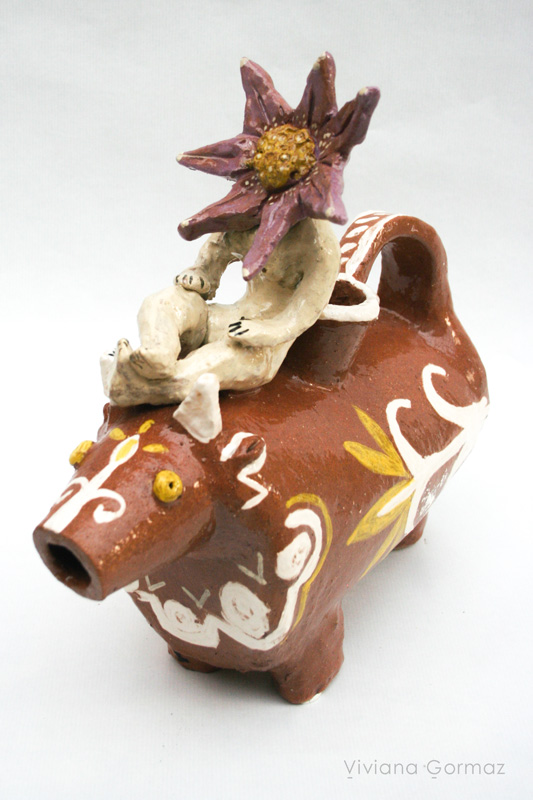
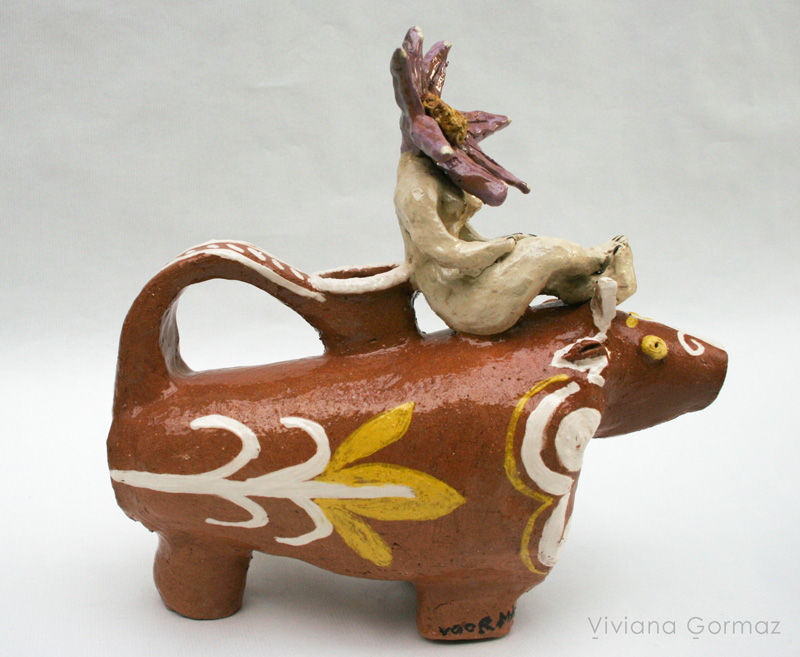
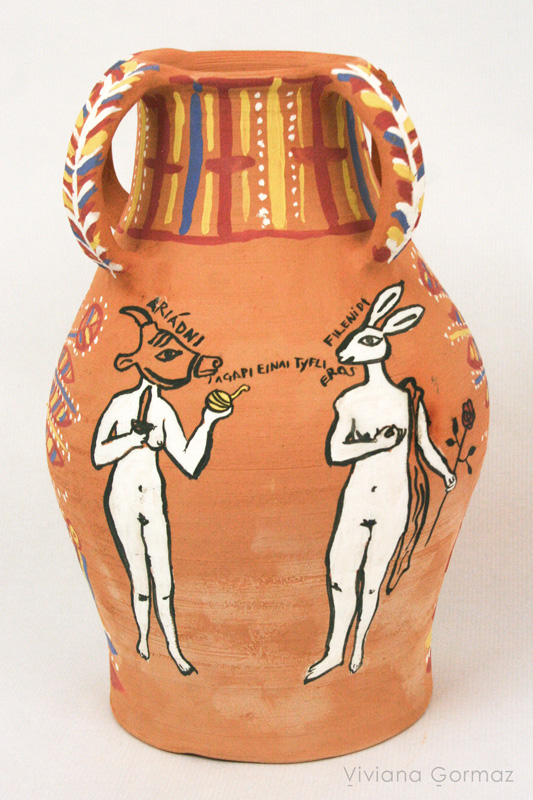
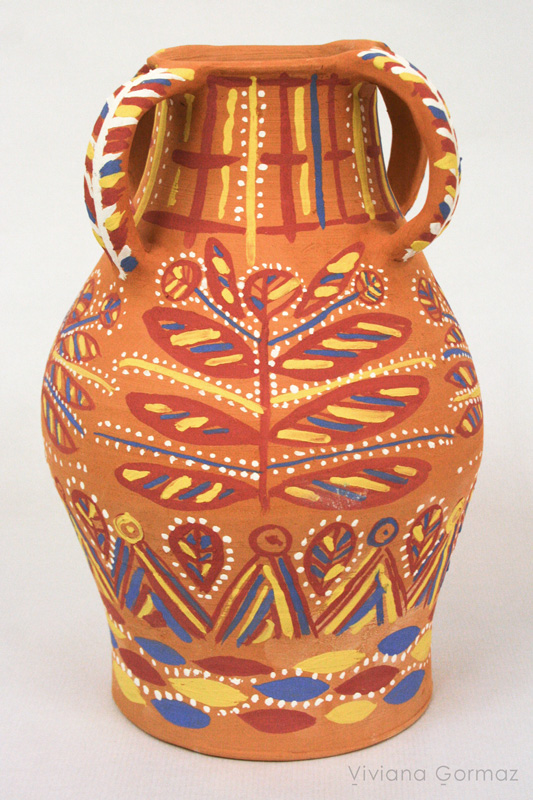
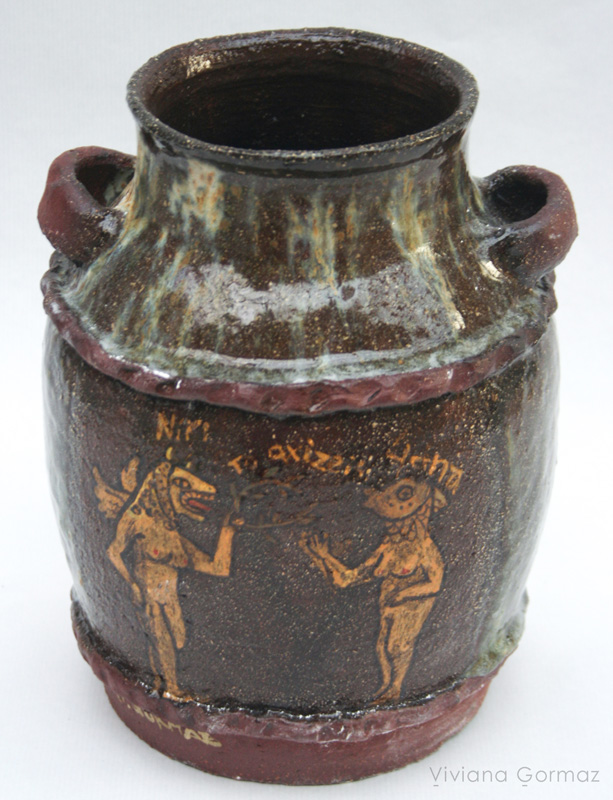
3. Αριάδνη και Φιλαινίς

Αριάδνη: «Η αγάπη είναι τυφλή»
Φιλαινίς: «έρως»

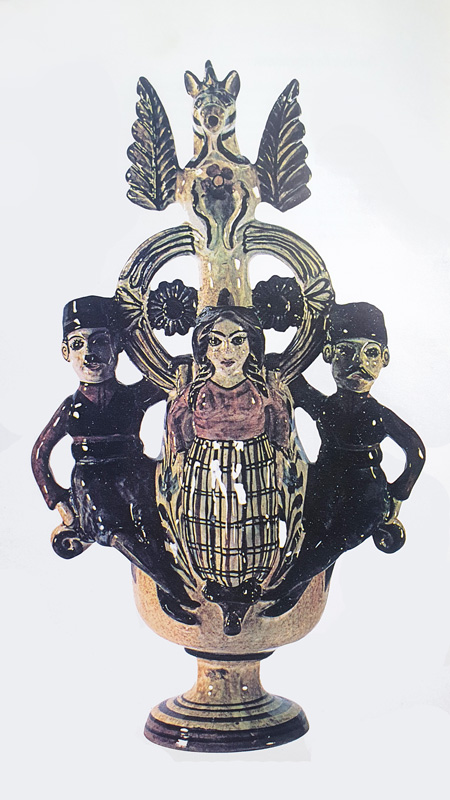
Πάνω σε ένα βιτινάρι, ένα αντίγραφο παραδοσιακού αγγείου, που
δινόταν στη νύφη την ημέρα του γάμου της, ξεδιπλώνεται μια συνάντηση
ανάμεσα στην Αριάδνη, ερωτευμένη με τον Θησέα, και τη Φιλαινίδα τη
Σαμία, μια διάσημη εταίρα. Η Αριάδνη φέρει κεφάλι ταύρου, σύμβολο
εργασίας και ευημερίας, ενώ η Φιλαινίς φέρει κεφάλι κουνελιού,
συμβολίζοντας τη σεξουαλικότητα. Το αγγείο, φορτισμένο με την
παράδοση και τον γαμήλιο συμβολισμό, λειτουργεί εδώ ως ένας χώρος
διαλόγου: ένας τόπος όπου σώματα και ιστορίες συγκλίνουν για να
εξερευνήσουν την αλήθεια του έρωτα. Στην ανταλλαγή τους, η Αριάδνη
και η Φιλαινίς όχι μόνο συζητούν για το πάθος και τη στοργή, αλλά
αναλογίζονται επίσης την αφοσίωση, την πίστη και την ελευθερία της
επιλογής. Με αυτόν τον τρόπο, το έργο μεταμορφώνει ένα
τελετουργικό αντικείμενο σε έναν αφηγηματικό χώρο, όπου η μνήμη, η
ιστορία και η φαντασία αλληλεπιδρούν για να επανανοηματοδοτήσουν
τη γυναικεία εμπειρία σε σχέση με την επιθυμία, την αφοσίωση και το
πάθος.

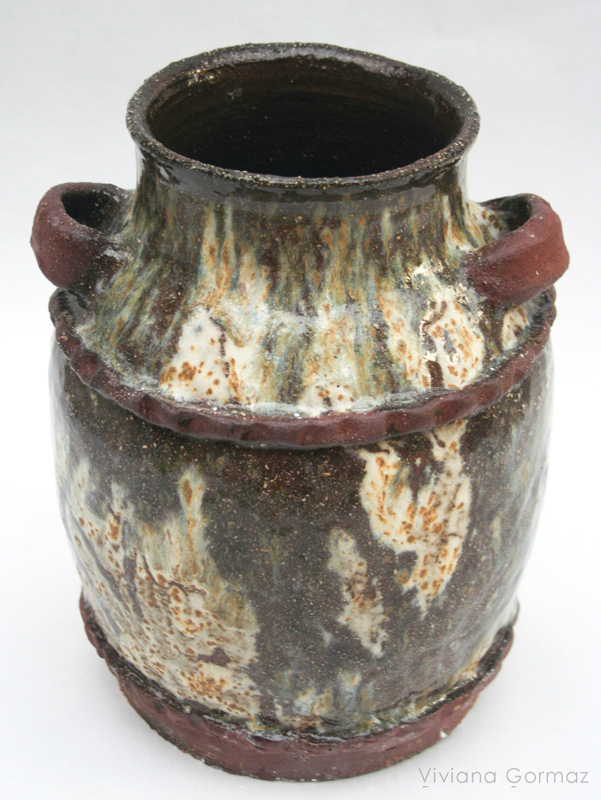
3. Ariadne and Philaenis

Ariadne: “I agapi einai tyfli” [ “Love is blind”]

Filenide: “eros” [ “Passion” ]

Upon a vitinari, a copy from a traditional modern vessel given to a bride on
her wedding day, unfolds an encounter between Ariadne, in love with
Theseus, and Philaenis of Samos, a renowned courtesan. Ariadne bears
the head of a bull, symbol of labor and prosperity, while Philaenis carries
the head of a rabbit, symbolizing sexuality. The vessel, charged with
tradition and nuptial symbolism, functions here as a space of dialogue: a
place where bodies and stories converge to explore the truth of love. In
their exchange, Ariadne and Philaenis not only discuss passion and
affection, but also reflect on devotion, loyalty, and the freedom to choose.
In this way, the piece transforms a ritual object into a narrative space,
where memory, history, and fantasy interact to re-signify the female
experience in relation to desire, devotion, and passion.


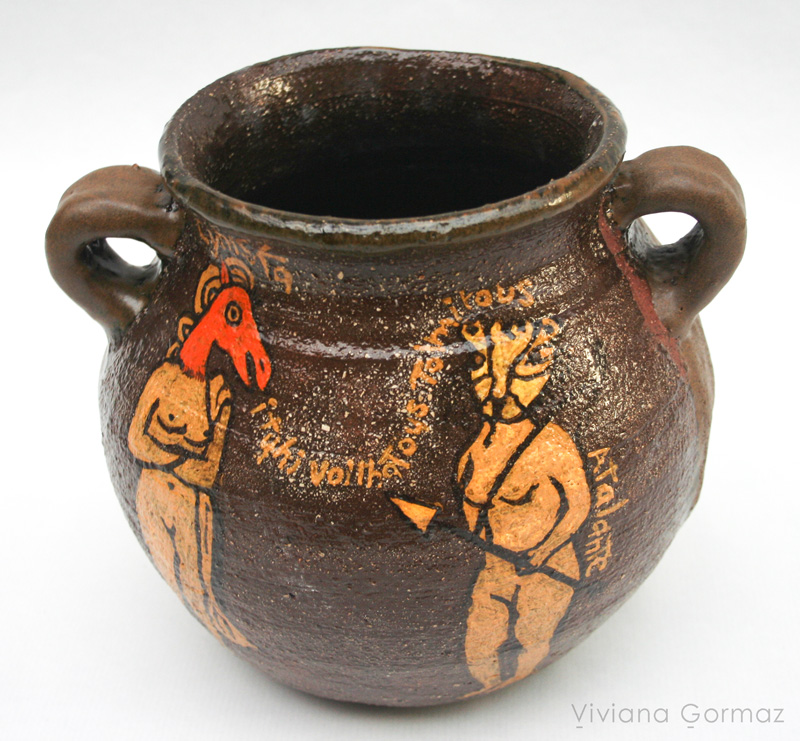
4. Αταλάντη και Κυνίσκα

Κυνίσκα: «Η τύχη βοηθά τους τολμηρούς»

Η Αταλάντη, μια ηρωίδα διάσημη για τις κυνηγετικές της ικανότητες και
την εξαιρετική της ταχύτητα, απεικονίζεται με κεφάλι αιλουροειδούς:
ευκίνητη, σε εγρήγορση και θηρευτική. Στο πλευρό της στέκεται η
Κυνίσκα η Σπαρτιάτισσα, η οποία κέρδισε την αρματοδρομία τεθρίππων,
αψηφώντας τους περιορισμούς της εποχής της, κατέχοντας και
εκπαιδεύοντας τα δικά της άλογα.
Η κυνηγός και η εκτροφέας αλόγων μιλούν για το πώς η τύχη βοηθά τους
γενναίους, και πώς η επιδίωξη των ονείρων κάποιου μπορεί συχνά να
οδηγήσει στην επίτευξη αυτού που επιθυμεί.

4. Atalanta and Cynisca

Cynisca: “I tyhi voitha tous tolmirous” [“Fortune favors the bold”]

Atalanta, a heroine renowned for her hunting skills and extraordinary
speed, is depicted with the head of a feline: agile, alert, and predatory. At
her side stands Cynisca of Sparta, who won the four-horse chariot race,
defying the restrictions of her time by owning and training her own
horses.
The huntress and the horse breeder speak of how fortune favors the
brave, and how pursuing one’s dreams can often lead to achieving what
one desires.


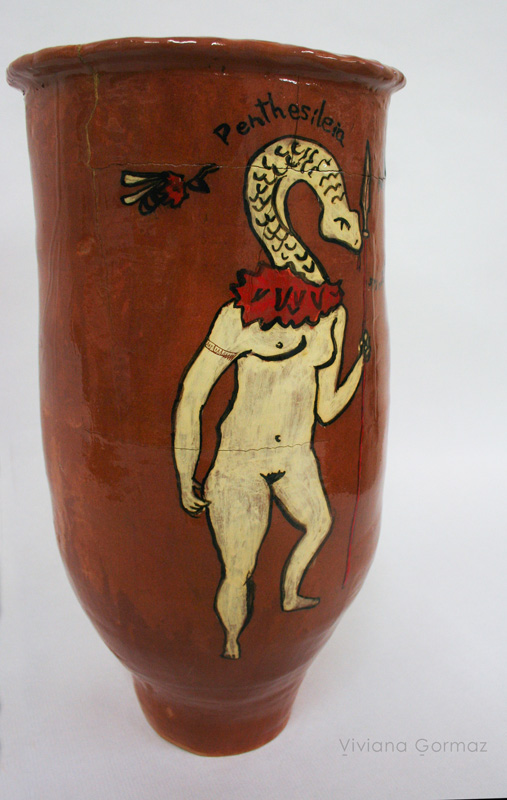
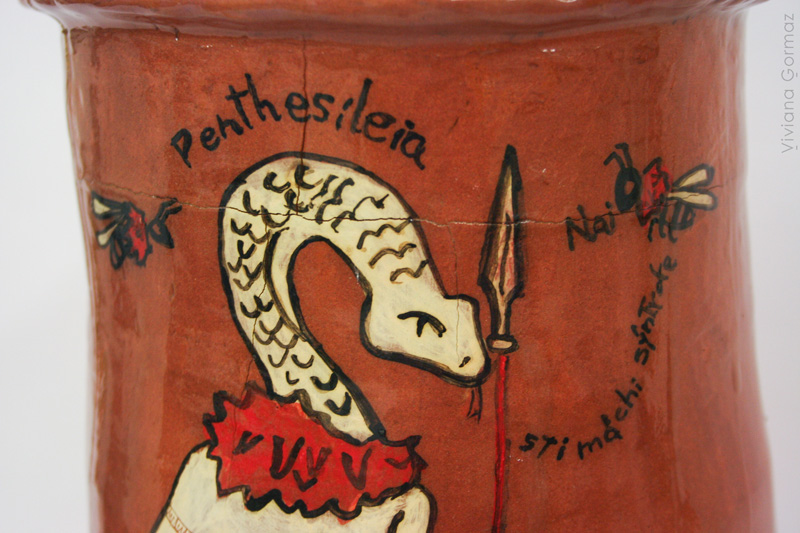
5. Πενθεσίλεια

Πενθεσίλεια: Στη μάχη, σύντροφε [ Into battle, comrade ]
Μέλισσα: Ναι [ Yes ]

Η μορφή της Πενθεσίλειας, βασίλισσας των Αμαζόνων, παρουσιάζεται τη
στιγμή ακριβώς πριν από τη μάχη. Σε αυτή τη σκηνή, εκτυλίσσεται ένας
συμβολικός διάλογος με ένα σμήνος μελισσών, του οποίου η παρουσία
εισάγει μια άμεση αναλογία με τον στρατό: ένα συλλογικό, πολυάριθμο
και πειθαρχημένο σώμα. Το αγγείο που απεικονίζεται αντιστοιχεί σε μια
κυψέλη, της οποίας η παρουσία εισάγει μια συγκεκριμένη υλική και
πολιτισμική προέκταση. Αυτό το αντικείμενο όχι μόνο τοποθετεί τη
σκηνή στη σύγχρονη ελληνική εποχή, αλλά λειτουργεί και ως σύμβολο
περιορισμού: ένας χώρος όπου ό,τι είναι ζωντανό, πολλαπλό και
δυνητικά επικίνδυνο οργανώνεται, περιορίζεται και ελέγχεται.

5. Penthesilea

Penthesilea: “sti máchi, sýntrofe “ [ “Into battle, comrade”]
Bee: “Nai” [“Yes”]

The figure of Penthesilea, queen of the Amazons, is presented in the
moment just before battle. In this scene, she establishes a symbolic
dialogue with a swarm of bees, whose presence introduces a direct
analogy with the army: a collective, numerous, and disciplined body.
The vessel depicted corresponds to a kipseli, a beehive, whose presence
introduces a specific material and cultural extension. This object not only
anchors the scene inin the Greekmodern time, but also acts as a symbol
of containment: a space where what is alive, multiple, and potentially
dangerous is organized, limited, and managed.


6. Νίκη και Ύδνα

Νίκη: «Το αξίζεις!»

Η Νίκη, θεά της νίκης, εμφανίζεται με κεφάλι λεοπάρδαλης,
συμβολίζοντας την ταχύτητα και την ευφυΐα. Δίπλα της στέκεται η Ύδνα
της Σκιώνης, γνωστή για την ικανότητά της ως κολυμβήτρια, η οποία
έλαβε μέρος στον Δεύτερο Περσικό Πόλεμο βοηθώντας στο σαμποτάζ
του στόλου του Ξέρξη Α΄, βουτώντας κάτω από τα πλοία μαζί με τον
πατέρα της.
Σε αυτή τη σκηνή, η Νίκη της προσφέρει ένα δάφνινο στεφάνι, έμβλημα
θριάμβου, ως αναγνώριση της προσπάθειας και της γενναιότητάς της. Η
χειρονομία αυτή αναδεικνύει μια διάσταση συνεργασίας και
αναγνώρισης ανάμεσα σε γυναικείες μορφές, υπογραμμίζοντας κοινές
αξίες όπως η δύναμη, η ευφυΐα και η αποφασιστικότητα.

6. Nike and Hydna

Nike: “To axizeis!” [“ You deserve it”]

Nike, goddess of victory, appears with the head of a leopard, symbolizing
speed and intelligence. Beside her stands Hydna of Scione, known for her
skill as a swimmer, who took part in the Second Persian War by helping to
sabotage the fleet of Xerxes I, diving beneath the ships alongside her
father.
In this scene, Nike offers her a laurel crown, an emblem of triumph, in
recognition of her effort and bravery. The gesture highlights a dimension
of collaboration and recognition among female figures, underscoring
shared values such as strength, intelligence, and determination.


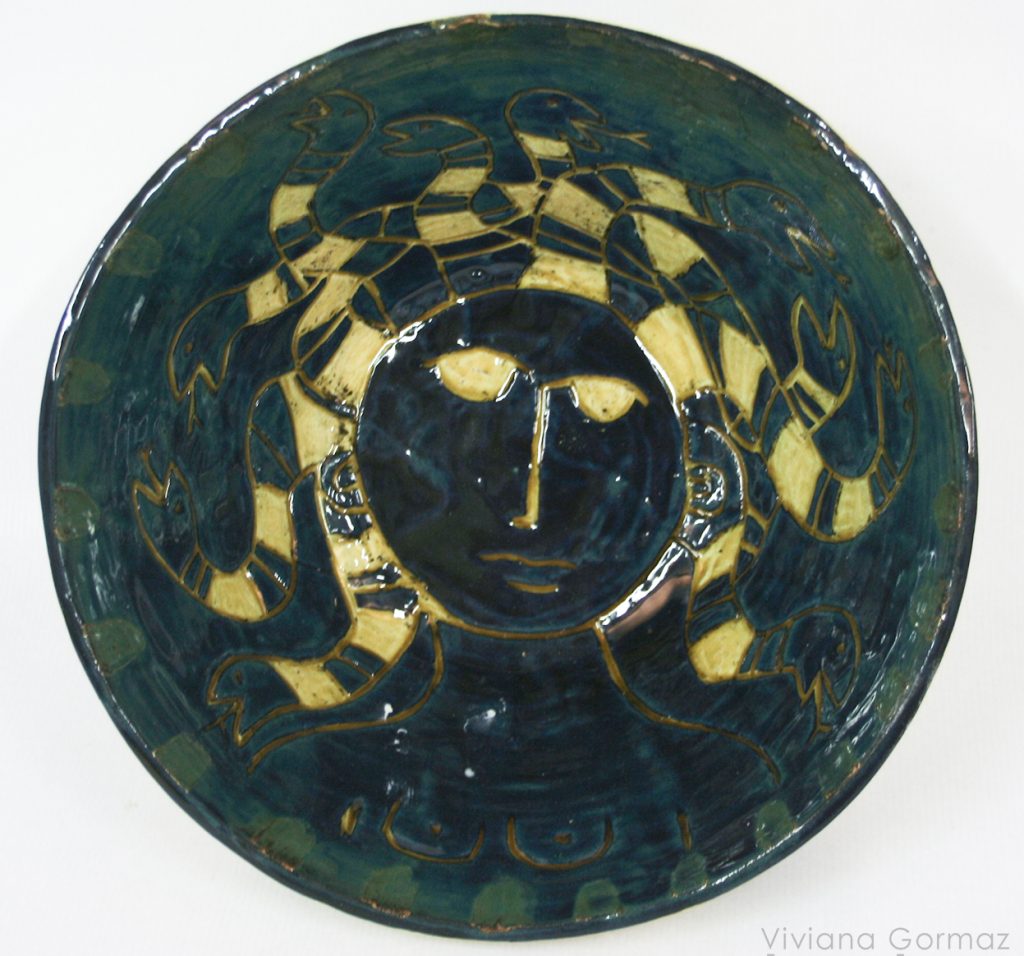
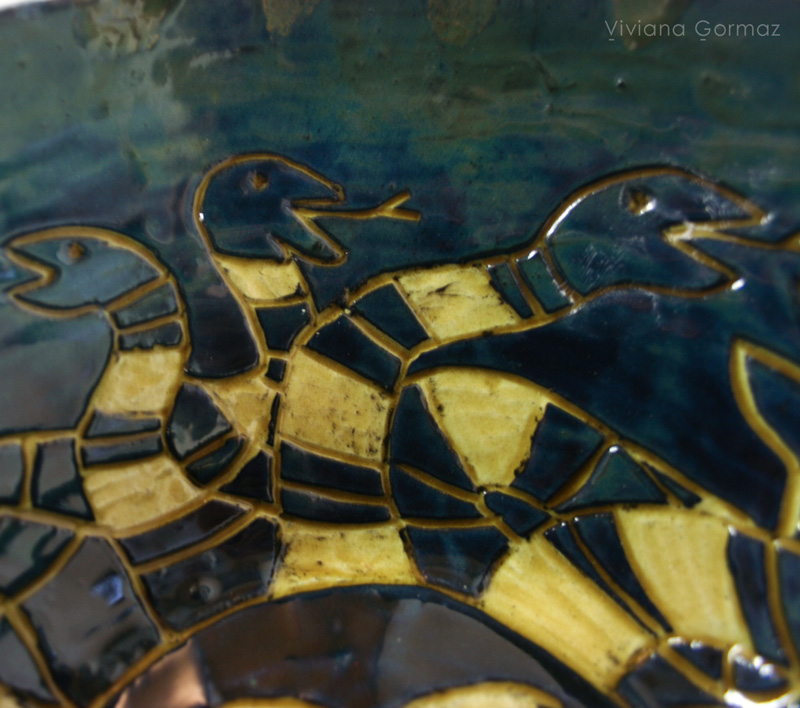
7. Μέδουσα

Η μοναδικότητά της δεν αρνείται τη φύση της, αλλά συνυπάρχει με
αυτήν: τα φίδια δεν αποτελούν πλέον παραμόρφωση, αλλά μια ζωτική
προέκταση του σώματός της, μια εκδήλωση μιας φύσης που αρνείται να
περιοριστεί ή να κανονικοποιηθεί. Με αυτή τη χειρονομία, η Μέδουσα
απελευθερώνεται από το βλέμμα που την καταδικάζει, διεκδικώντας
ξανά τη δική της εικόνα ως υποκείμενο και όχι ως αντικείμενο
τιμωρίας. Και είναι όμορφη.

7. Medusa

Her singularity does not deny her nature but coexists with it: the snakes
are no longer a deformity, but a vital extension of her body, a
manifestation of a nature that refuses to be contained or normalized. In
this gesture, Medusa frees herself from the gaze that condemns her,
reclaiming her own image as a subject rather than an object of
punishment. And she is beautiful.


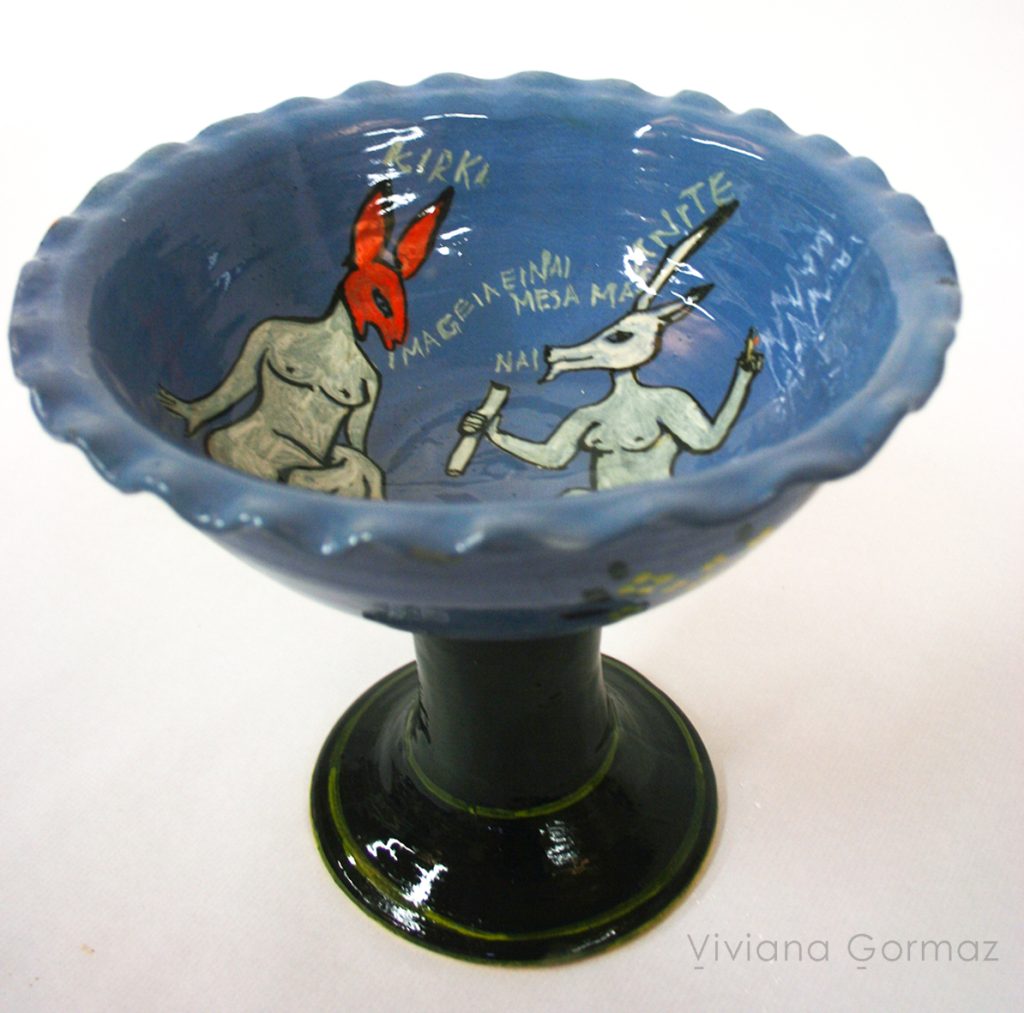
8. Ανύτη και Κίρκη

Κίρκη: «Η μαγεία είναι μέσα μας»
Ανύτη: «Ναι»

Η συνάντηση ανάμεσα στην Ανύτη την Τεγεάτιδα και την Κίρκη
δημιουργεί έναν μετέωρο χώρο, αποκομμένο από τον ιστορικό χρόνο
και τη λογική του συνηθισμένου κόσμου. Σε αυτόν τον διάλογο, η
ποιητική γλώσσα και η μαγεία συγκλίνουν, δημιουργώντας μια
ενδιάμεση περιοχή, όπου η φαντασία δεν αποτελεί φυγή, αλλά μια
μορφή γνώσης.
Η Ανύτη, που απεικονίζεται με κεφάλι κατσίκας, ενσαρκώνει την άγρια
διάσταση της φύσης, καθώς και την επιμονή και το πείσμα μιας φωνής
που, αν και ιστορικά αποσιωπήθηκε, αντέχει στον χρόνο. Η μορφή της
συνδέεται με το γήινο, το ενστικτώδες και το αδάμαστο, διεκδικώντας
μια άμεση σύνδεση με τον φυσικό κόσμο.
Η Κίρκη, με κεφάλι ελαφιού, συνδέεται με την ευγένεια και μια μορφή
γαλήνιας, συγκρατημένης δύναμης. Μακριά από την εικόνα της
επικίνδυνης μάγισσας, εδώ η μαγεία της εμφανίζεται ως σοφία, ως
ικανότητα μεταμόρφωσης και ως μια βαθιά κατανόηση της
πραγματικότητας.

8. Anyte and Circe

Circe: “ i mageia einai mesa mas” [“The magic is inside us” ]
Anite: “Nai” [“Yes”]

The encounter between Anyte of Tegea and Circe creates a suspended
space, removed from historical time and the logic of the ordinary world. In
this dialogue, poetic language and magic converge, generating an
intermediate territory where fantasy is not an escape, but a form of
knowledge.
Anyte, depicted with the head of a goat, embodies the wild dimension of
nature, as well as the tenacity and persistence of a voice that, though
historically silenced, endures. Her figure is linked to the earthly, the
instinctive, and the untamed, claiming a direct connection with the natural
world.
Circe, with the head of a deer, is associated with nobility and a form of
serene, contained power. Far from the image of the dangerous sorceress,
here her magic appears as wisdom, as a capacity for transformation and
a deep understanding of reality.


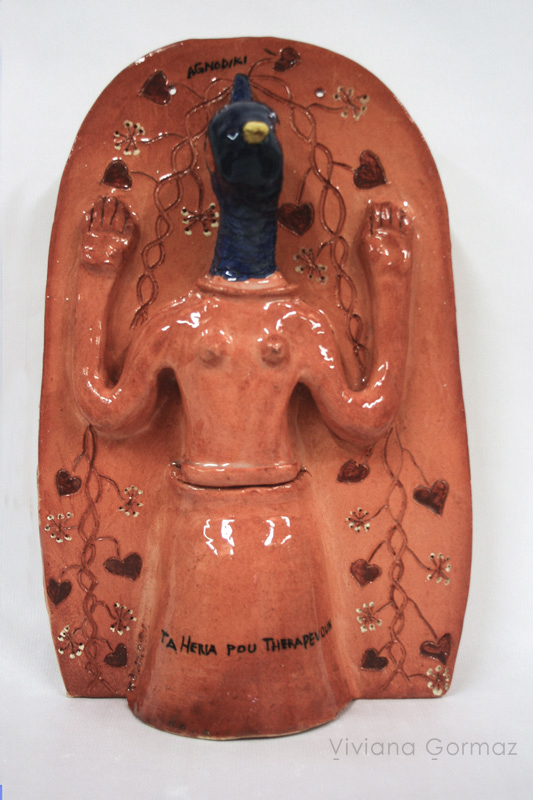
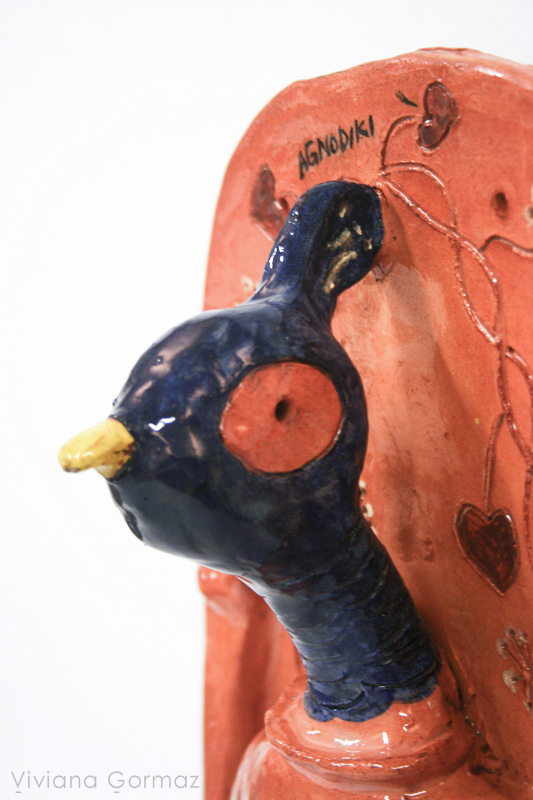
9. Αγνοδίκη

Για να ξεπεράσει την απαγόρευση, που εμπόδιζε τις γυναίκες να ασκούν
την ιατρική στην αρχαία Ελλάδα, η Αγνοδίκη η Αθηναία μεταμφιέστηκε
σε άνδρα, ταξίδεψε στην Αίγυπτο για να σπουδάσει και επέστρεψε στην
Αθήνα για να βοηθήσει στις γέννες παιδιών, αλλάζοντας τελικά τον νόμο
αφού παραπέμφθηκε σε δίκη.
Αυτό το έργο είναι εμπνευσμένο από ένα γλυπτό Μινωίτισσας σε στάση
προσευχής, που επανερμηνεύεται εδώ με το κεφάλι ενός παγωνιού,
συμβόλου αναγέννησης και πνευματικής ανάπλασης. Η μορφή της
Αγνοδίκης γίνεται μια μεταφορά για τη δύναμη της θεραπείας, για την
ανθεκτικότητα απέναντι στην καταπίεση και για τη λύτρωση της ψυχής
μέσα από την πράξη της ευγνωμοσύνης.

9. Agnodice

To overcome the prohibition that prevented women from practicing
medicine in ancient Greece, Agnodice of Athens disguised herself as a
man, traveled to Egypt to study, and returned to Athens to assist in
childbirth, ultimately changing the law after being put on trial.
This piece is inspired by a sculpture of a Minoan woman in a posture of
prayer, reinterpreted here with the head of a peacock, a symbol of rebirth
and spiritual regeneration. The figure of Agnodice becomes a metaphor
for the power to heal, for resilience in the face of oppression, and for the
redemption of the soul through the act of giving thanks.


10. Ύδνα

Η Ύδνα, με την ισχυρή θέληση και το ακούραστο πνεύμα.

10. Hydna

Hydna, of strong will and tireless spirit.


11. Ψυχή

Η Ψυχή, η σοφή γυναίκα, αντιπροσωπεύει την αλλαγή και την
αναγέννηση της ψυχής.

11. Psyche

Psyche, the wise woman, represents the change and rebirth of the soul.


References

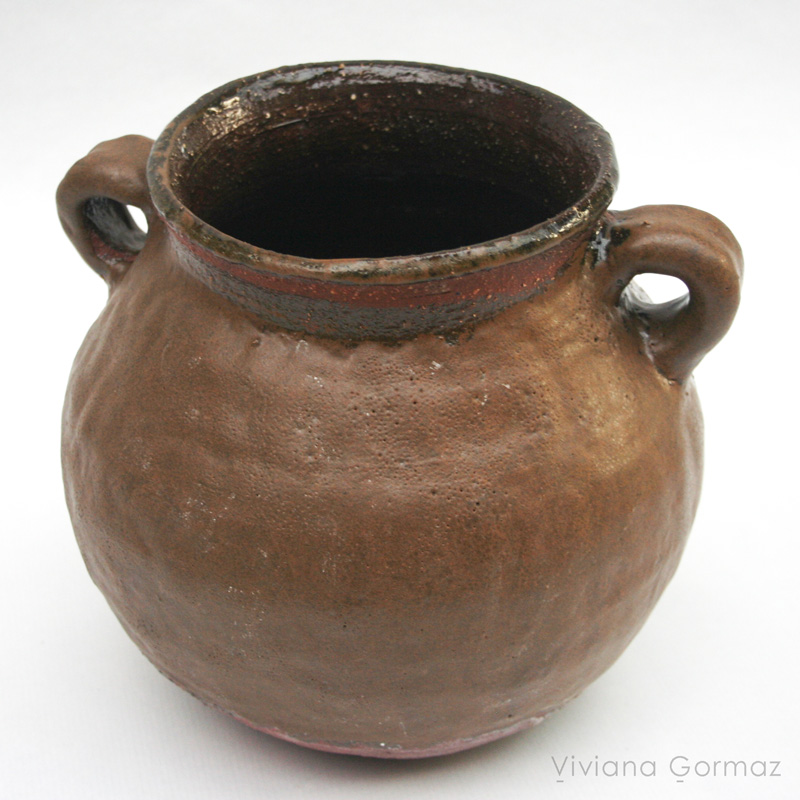
Pieces used for reference, taken from the book «Last Potters of the East Aegean» by Betty Psaropoulou, second edition, 2022,Centre for the Study of Modern Ceramics.

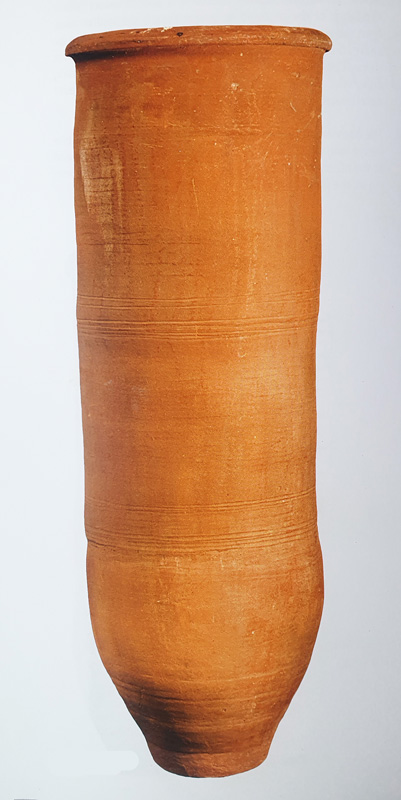
Alogokanataki

Piece nº1

Asimakis Chatziyannis (1920)

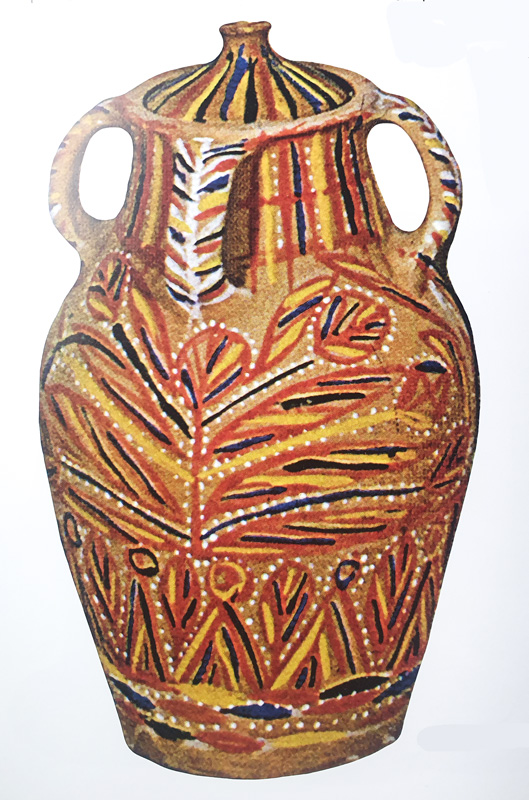
Kanata

Piece nº2

Yannis Chatziyannis

Vytinari

Piece nº3

Gift vase for the bride on her wedding day.

Kypseli

Piece nº5

Container for storing bees.

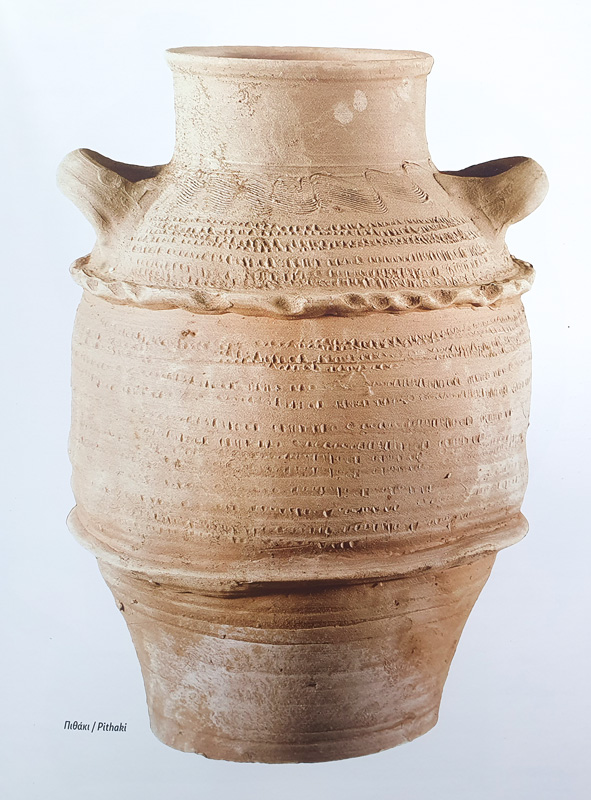
Pithaki

Piece nº6

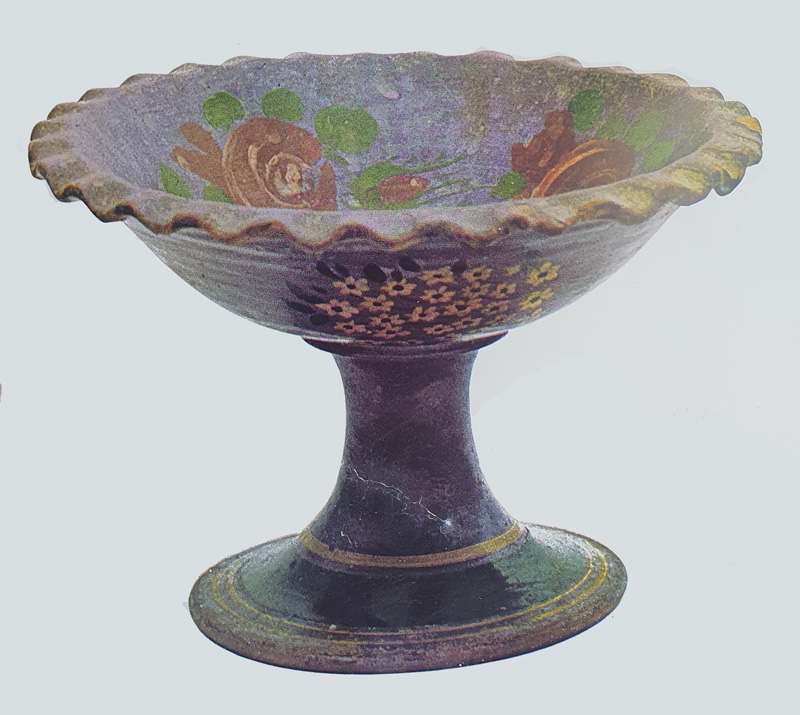
Froutiera

Piece nº8

Σας ευχαριστώ όλους!! (thank you very much)

Al mes de empezar las clases del máster de educación artística en instituciones sociales y culturales que realicé en la universidad Complutense de Madrid, en la Facultad de arte se realizó una convocatoria anual que organizaba la Viña Valduero, III Certamen con la Viña Valduero, se repartían 30 barricas a artistas seleccionados y éstos debían intervenirla,  podían participar e el alumnado de grado y postgrado, entonces tenías un mes para preparar la barrica y se presentaba en sala de exposiciones de la universidad y posteriormente sería llevada para la viña y expuesta allí en su colección.
 Pensé en el barril gigante agarré la libreta y bocetié.

Como he estado trabajando con las criaturas mujeres como se llama la serie de la pieza que presenté en Zagreb, Women creatures, seguí ésta línea, la verdad cuando empecé a bocetear apareció ella de inmediato.

La exposición fue desde el 22 de Noviembre al 10 de Enero.  Fue una experiencia muy interesante y entretenida hacer ésta obra, por tamaño, por forma y por las personas que conocí. También pienso que el tiempo que pasé pintando, tardes o mañanas, con los audífonos puestos resultó  ser una especie de mediador entre yo  y un contexto cultural de gente, costumbres y modismos nuevos,  entre mi llegada al país (y continente)  y quién eres al crear, donde quiera que vayas.

¿El por qué de la frase?
 
La verdad «Tú eres la Guapa» es una aseveración.  Está dirigida a las mujeres (que suelen ser casi siempre la temática de las cosas que hago, no sé cuándo empezó.), es una reivindicación del yo, también del tú. Tiene que ver con lo que encontramos hermoso y lo que no, a quienes incluimos en esa definición y a quienes no. 
Es sobre los criterios estéticos que usamos y aceptamos, validándolos. Más bien, es sobre por qué tenemos que tener esos criterios. De allí se movió mi mano y entonces apareció ella.

Asistí del 18 al 23 a un encuentro de ceramistas en Zagreb, Croacia, la exposición se realizó en Europe House Zagreb,   tuve la oportunidad de conocer gente muy valiosa no sólo en el evento sino también fuera de éste. Fue un poco difícil  pues se habla croata y menos personas de las que esperaba hablaban inglés, aún así fue una experiencia sumamente enriquecedora  de la cual estoy agradecida, Zagreb es una ciudad hermosa con gente muy agradable y una cultura muy colorida, también tuve la oportunidad de viajar a Slovenia  y también asistimos a una fábrica de ladrillos y los intervenimos artísticamente, luego los utilizarían para una construcción en una escuela, esta fue también una experiencia preciosa para mi.

Lorem ipsum dolor sit amet, consectetur adipiscing elit. Ut elit tellus, luctus nec ullamcorper mattis, pulvinar dapibus leo.Lorem ipsum dolor sit amet, consectetur adipiscing elit. Ut elit tellus, luctus nec ullamcorper mattis, pulvinar dapibus leo.Lorem ipsum dolor sit amet, consectetur adipiscing elit. Ut elit tellus, luctus nec ullamcorper mattis, pulvinar dapibus leo.Lorem ipsum dolor sit amet, consectetur adipiscing elit. Ut elit tellus, luctus nec ullamcorper mattis, pulvinar dapibus leo.Lorem ipsum dolor sit amet, consectetur adipiscing elit. Ut elit tellus, luctus nec ullamcorper mattis, pulvinar dapibus leo.Lorem ipsum dolor sit amet, consectetur adipiscing elit. Ut elit tellus, luctus nec ullamcorper mattis, pulvinar dapibus leo.

Realicé esta exposición “Esbozos féminos”, en la cual se presentaron más de 70 bocetos de cuerpos femeninos, con mi inseparable amigo y cómplice de mil proyectos Italo Ahumada (italoahumada.cl, @italoahumada).
Durante el año 2012 y 2013, nos reunimos con un grupo de amigos para sesiones de dibujo de figura humana,  bocetábamos durante una hora una serie de poses,  la mayor parte de 5 o 10 min., sobre papeles kraft o roneo con carboncillos, pasteles secos u otros materiales los cuales resultaban bastante económicos.
Es un ejercicio refrescante dibujar del natural,  sin las tensiones de lograr un objetivo posterior mas allá del ejercicio en si mismo, observar el modelo delante y tratar de capturar su apariencia, sosegando el reflejo de recurrir a los repertorios aprendidos  del dibujo de memoria,  practicar a buscar el acento pues no hay tiempo de dibujarlo todo, captar en trazos y manchas el movimiento,  la luz, la tensión y la gracia de la figura humana, y finalmente terminar cada sesión con al menos un par de bocetos que no solo merecían ser  conservados y reexaminados sino que además,  (aunque no fue la intención)  como se ha dado en este caso, mostrados. Después con Italo decidimos hacer la muestra porque consideramos que era un buen material el resultado de estas sesiones, también Carmen Quiroz gran amiga contó cuentos en la inauguración, también fue nuestro otro cómplice Claudio Salas así que fue para mi muy especial.
 
Actualmente sigue siendo una pasión dibujar desnudos con modelo, tengo mi insta @dibujosfeminosymasculos, dense una vuelta!